Problem framing
We padded out our understanding of the problem space and how to solve it through qualitative user research after analytics signalled a problem with the live platform.
The initial problem
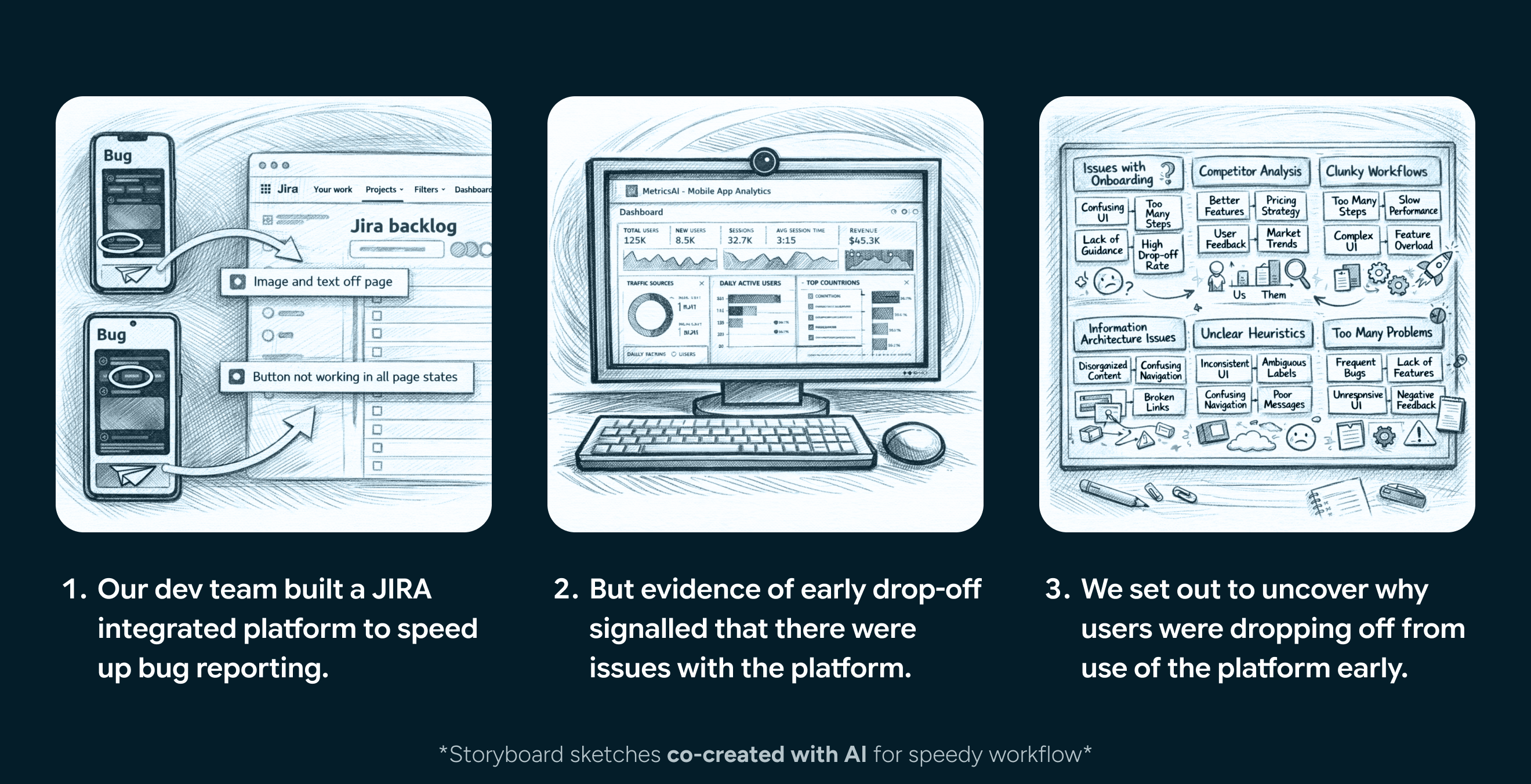
The dev team built a Jira integrated platform to speed up bug reporting, but early drop-off revealed issues preventing users from adopting it.
Usability testing
We conducted qualitative user tests with 5 users in the areas where the analytics showed issues and lack of use.
We used this to identify key usability issues, friction points within the system, hidden features and clunky workflows.

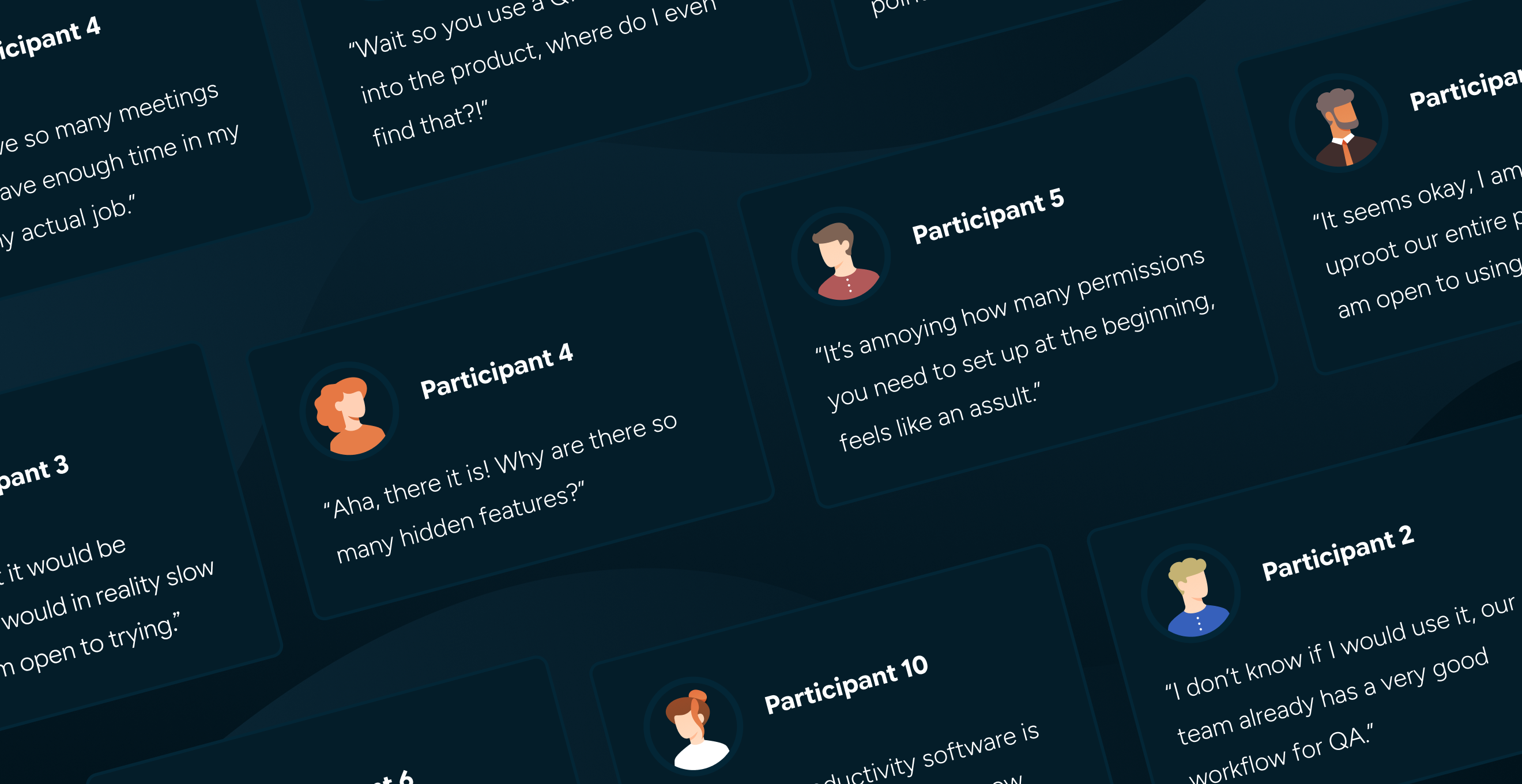
Discovering key issues
As a team we clustered the issues identified during the studies in Miro. The synthesis revealed key workflow friction and highlighted opportunities to design an intuitive, user-centred solution.
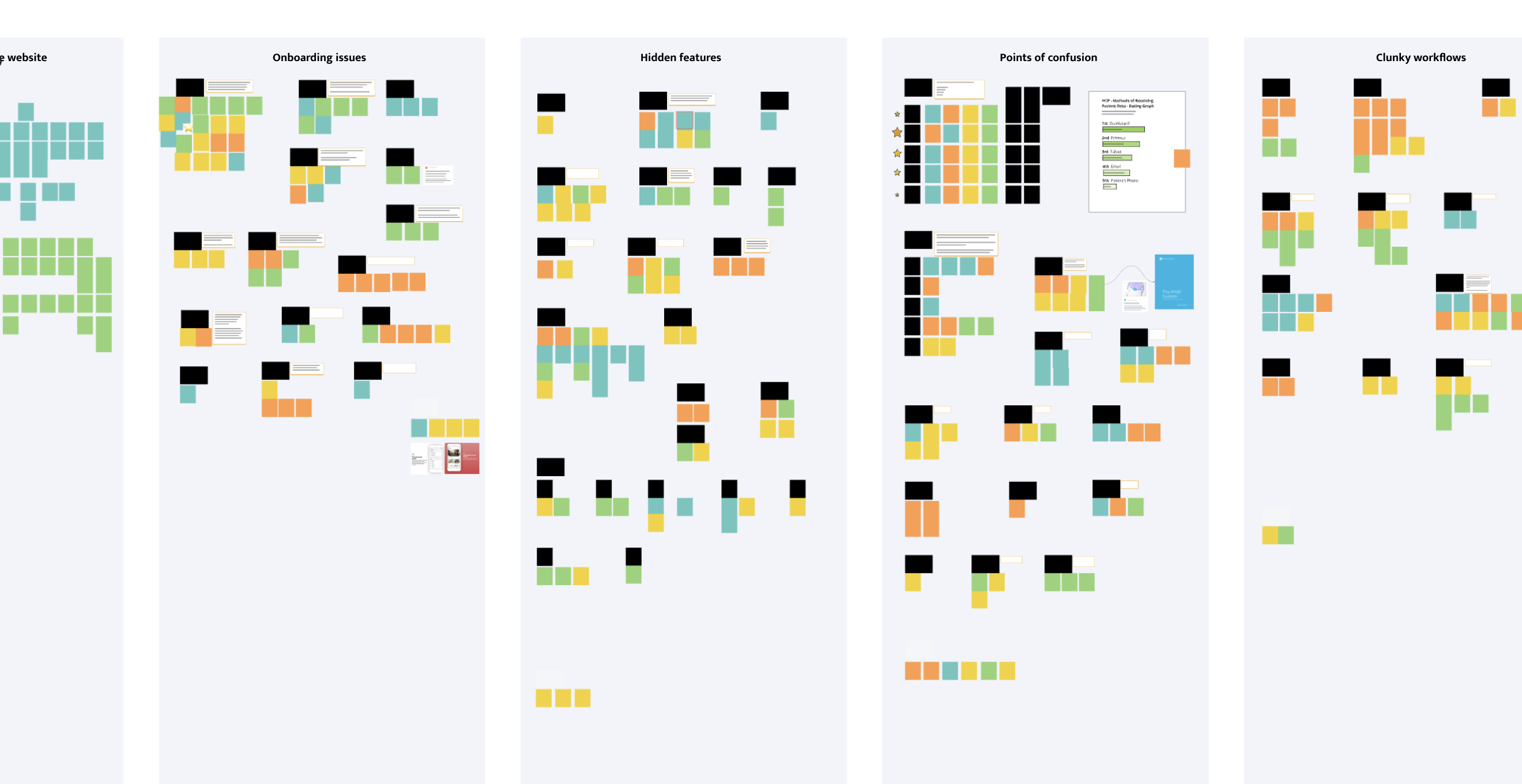
Shaping personas
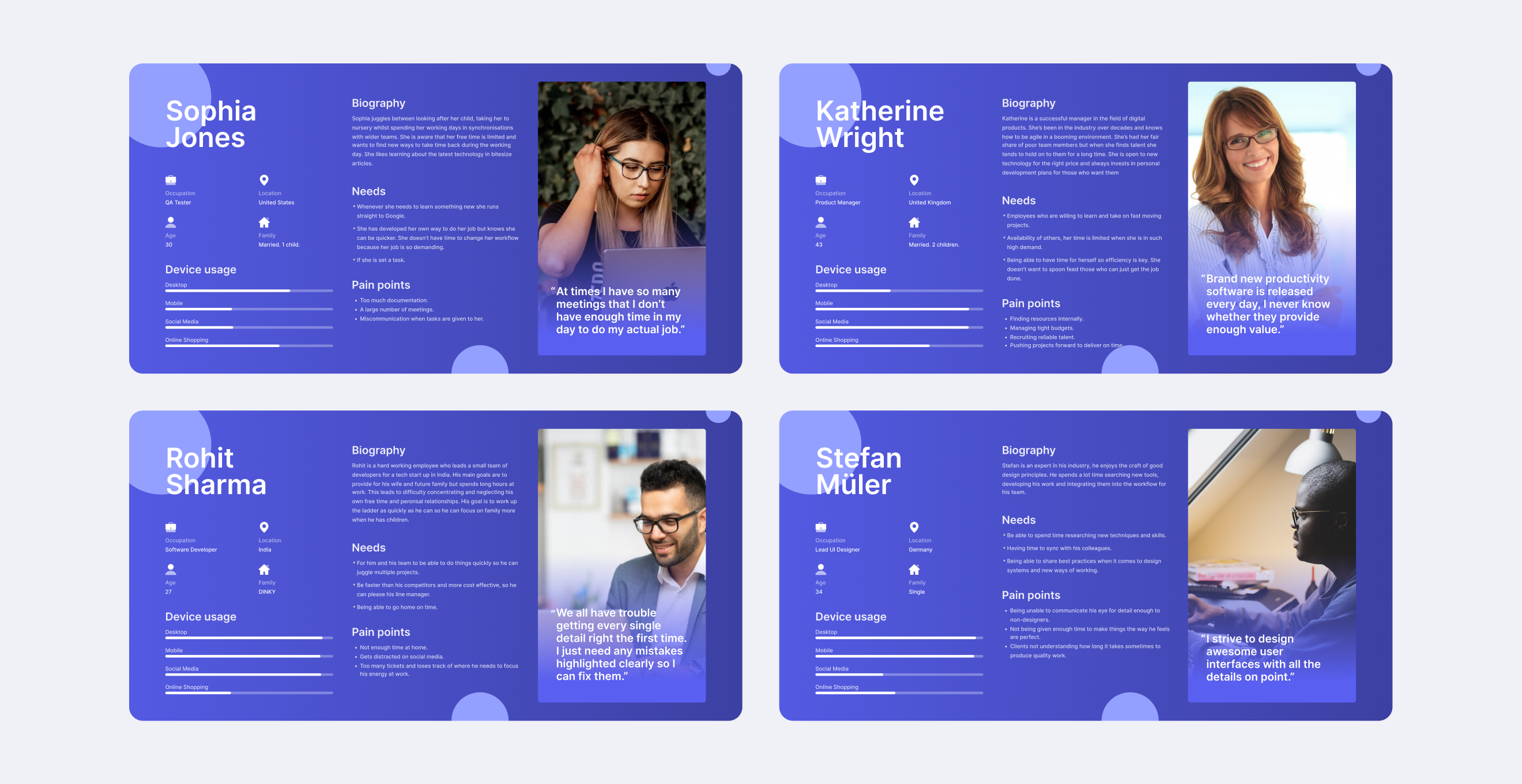
While I worked on the analysis, I asked another Product Designer to develop user personas using insights from the qualitative studies to align the team around key user needs, design goals, and use cases.
These personas evolved over time as we gathered additional research, data and insights.
Further investigation
The research findings were then supported by competitor analysis, an information architecture review, and a UX Heuristic evaluation.
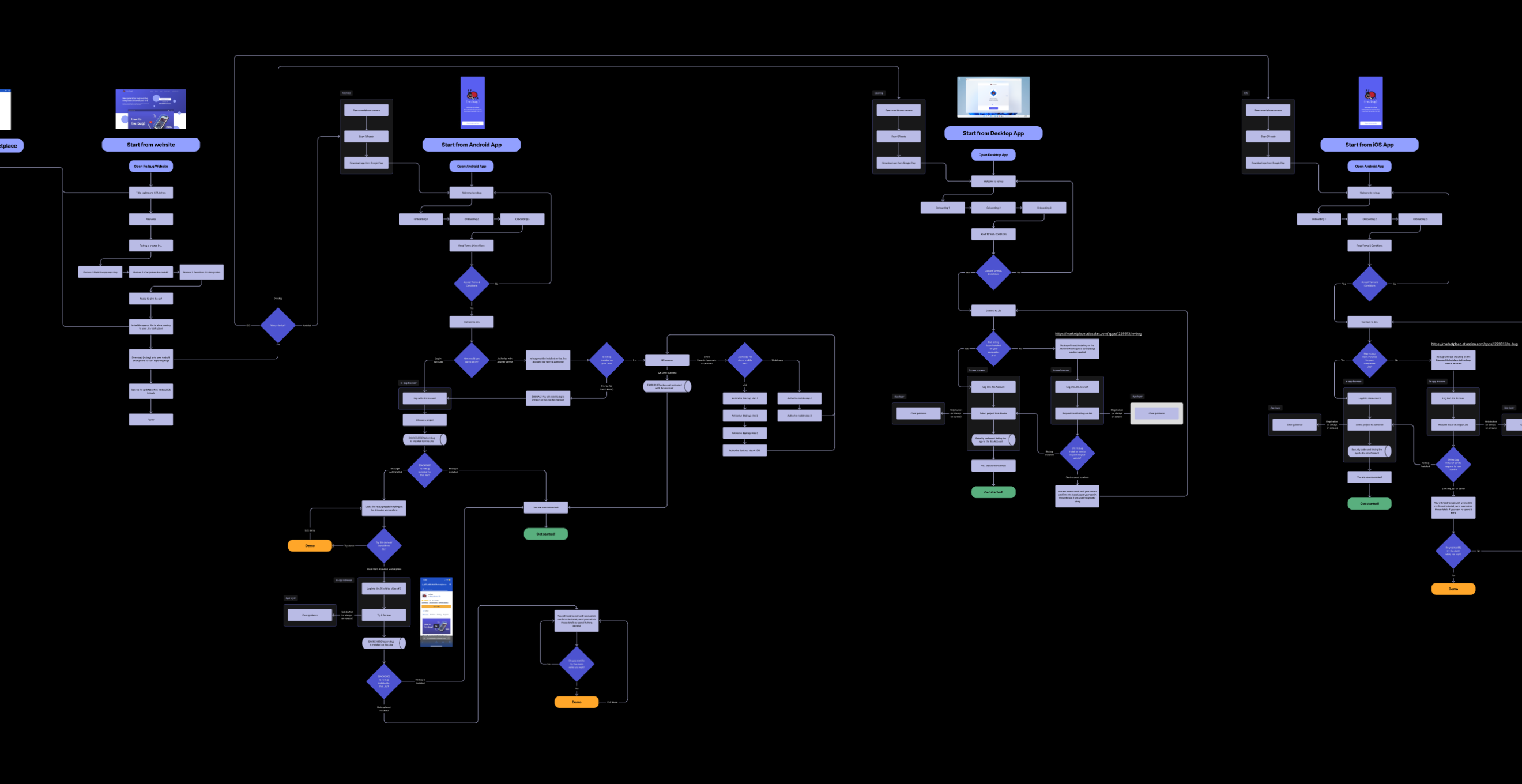
Redirect & redesign
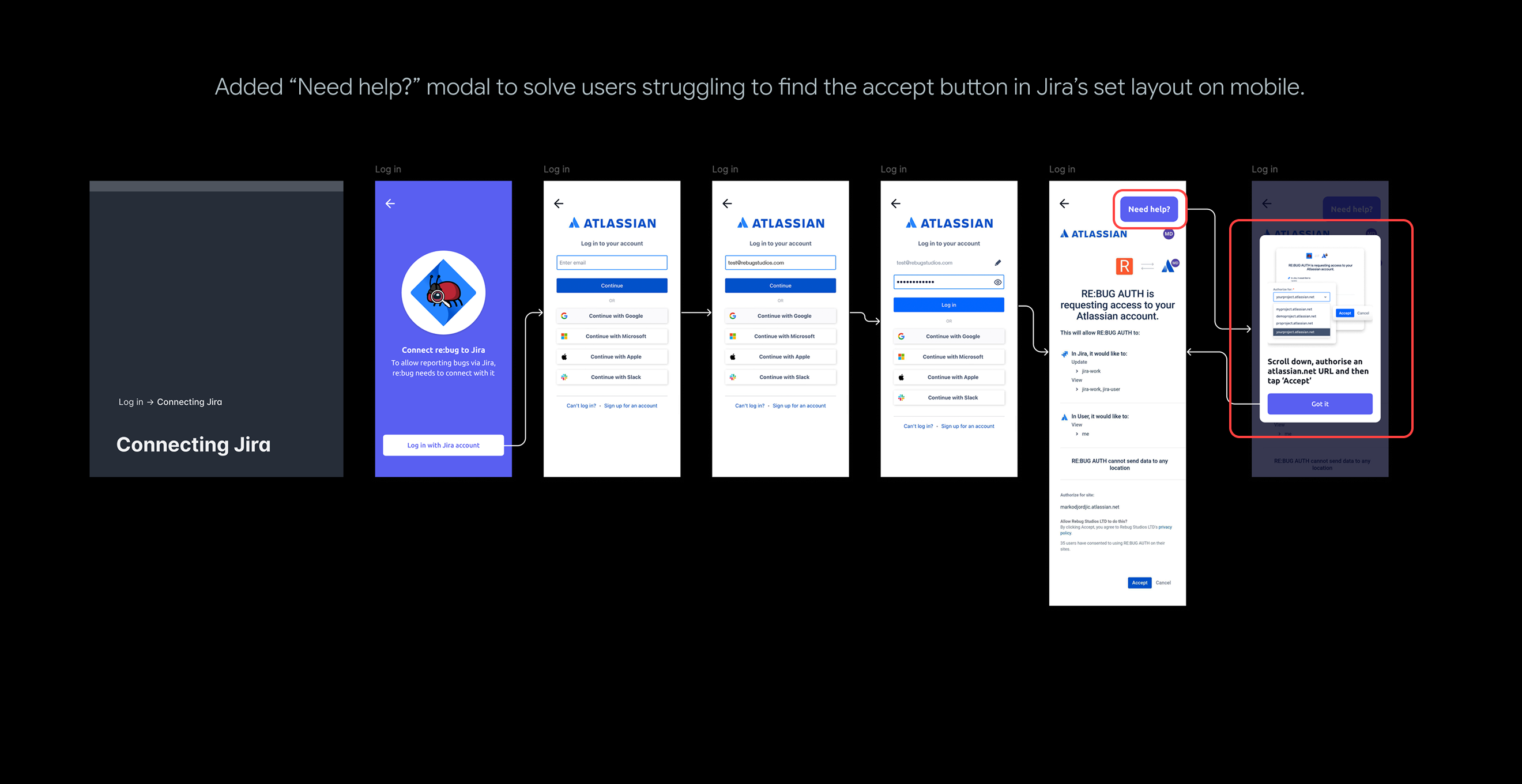
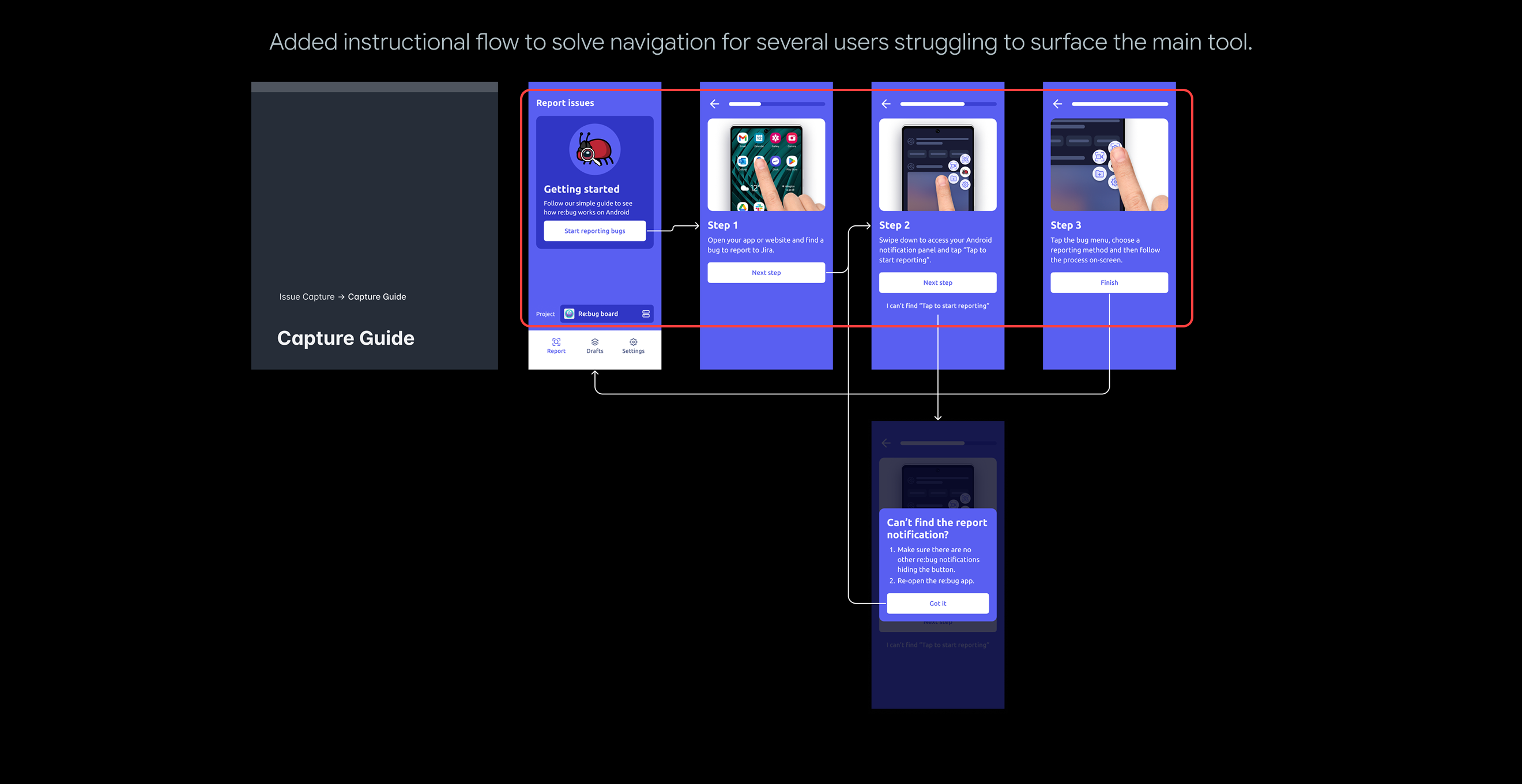
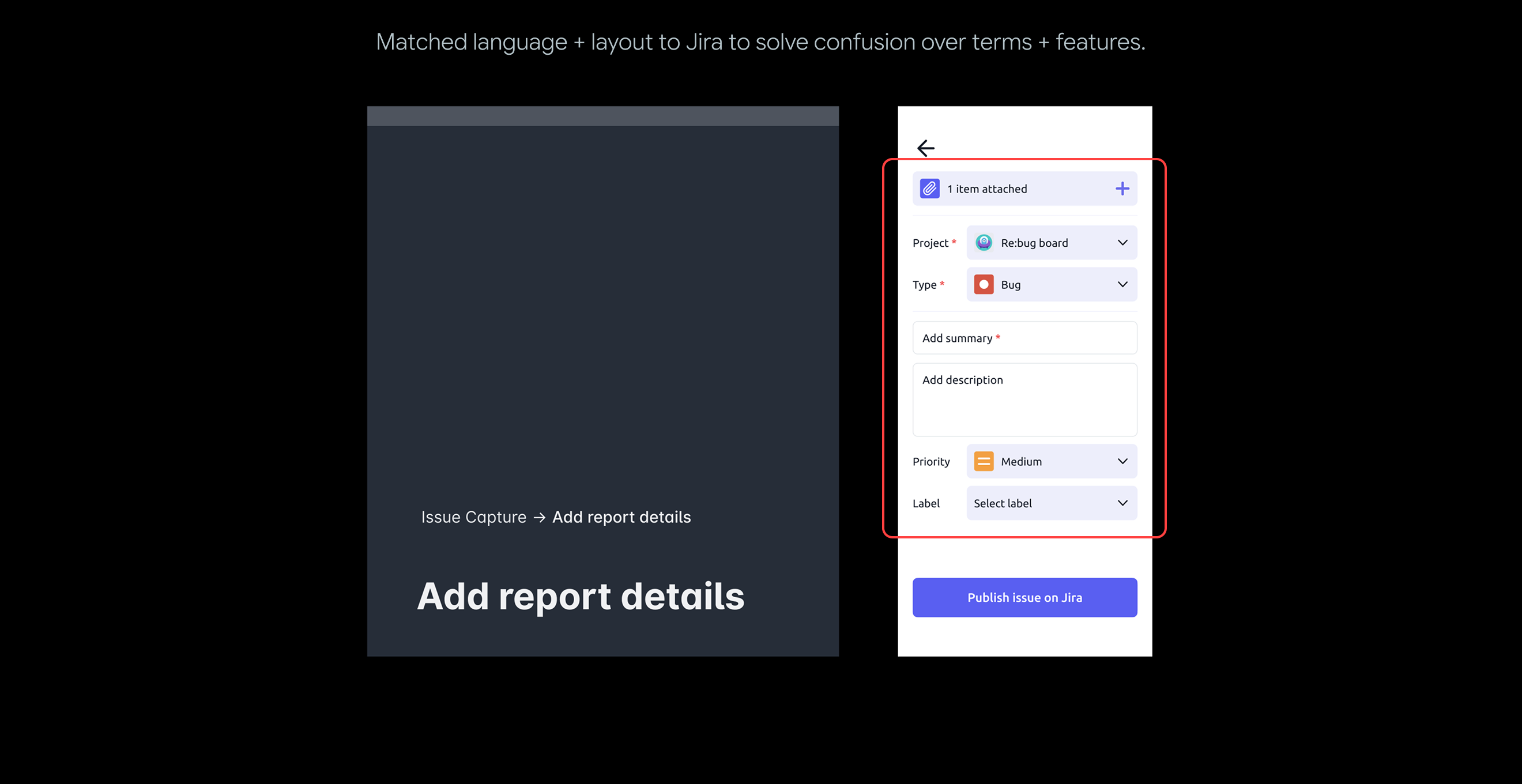
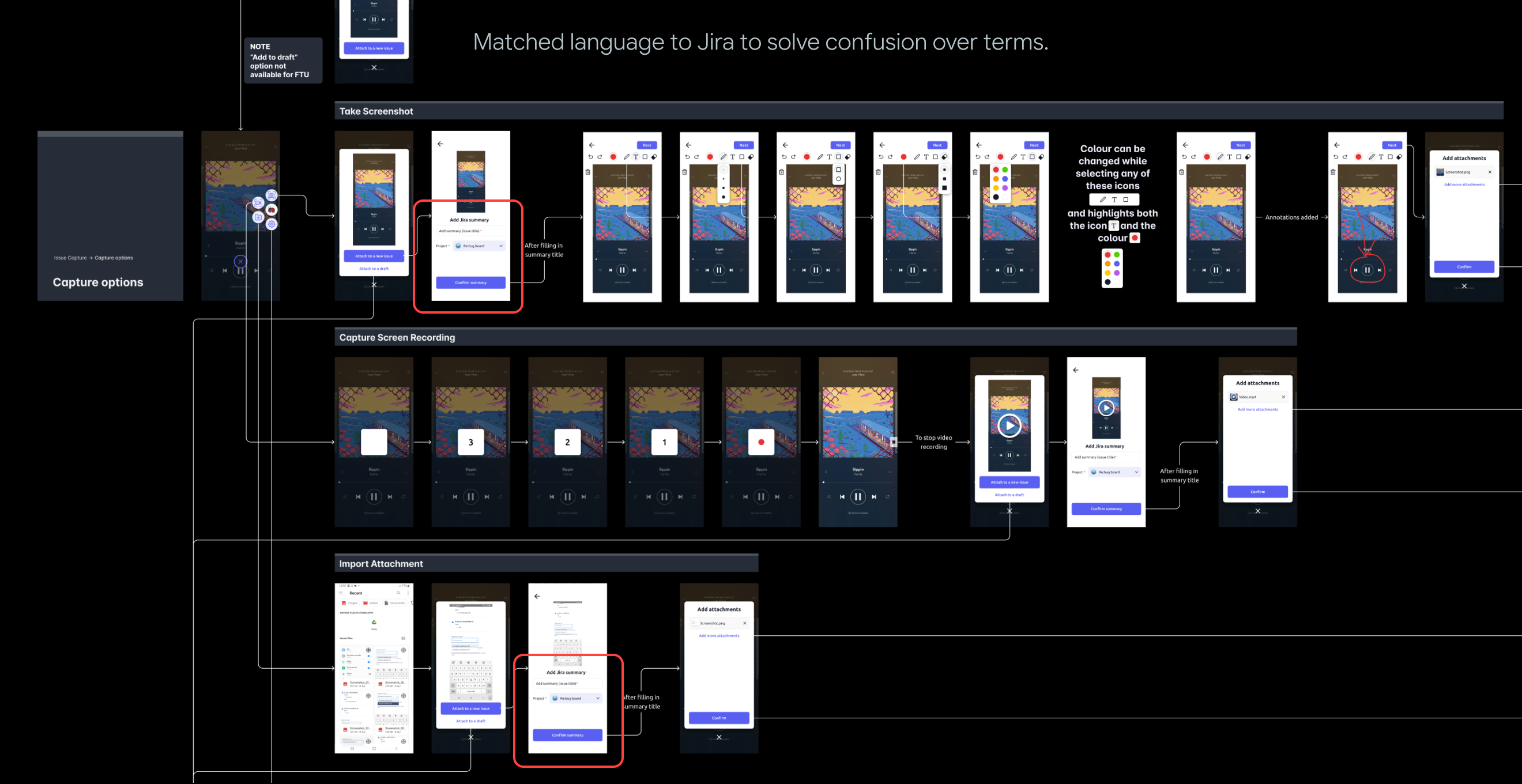
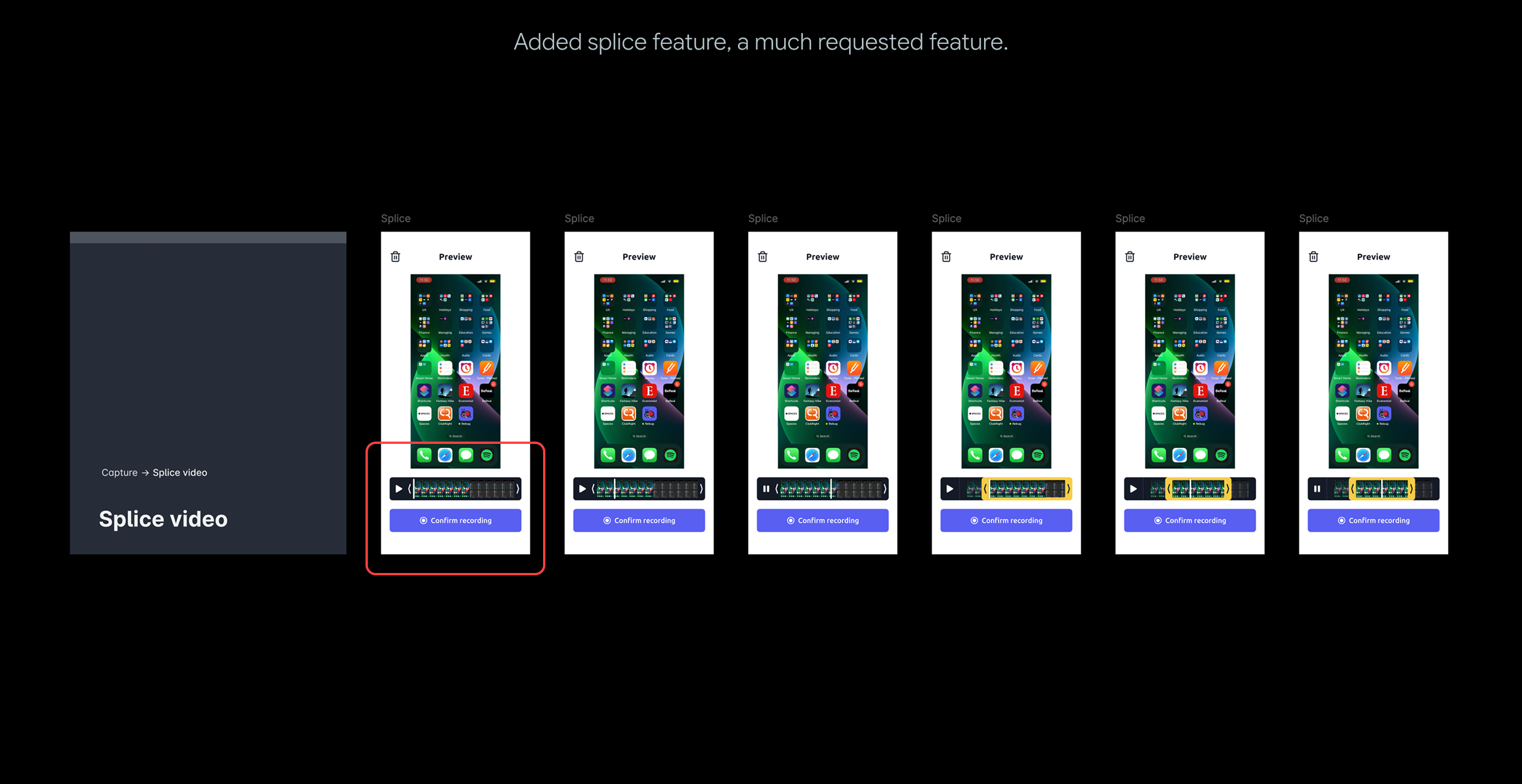
Working with another Product Designer and closely Engineers, we introduced new designs and a more user-centred approach into an existing platform discussing solutions to navigate technical constraints within the software.
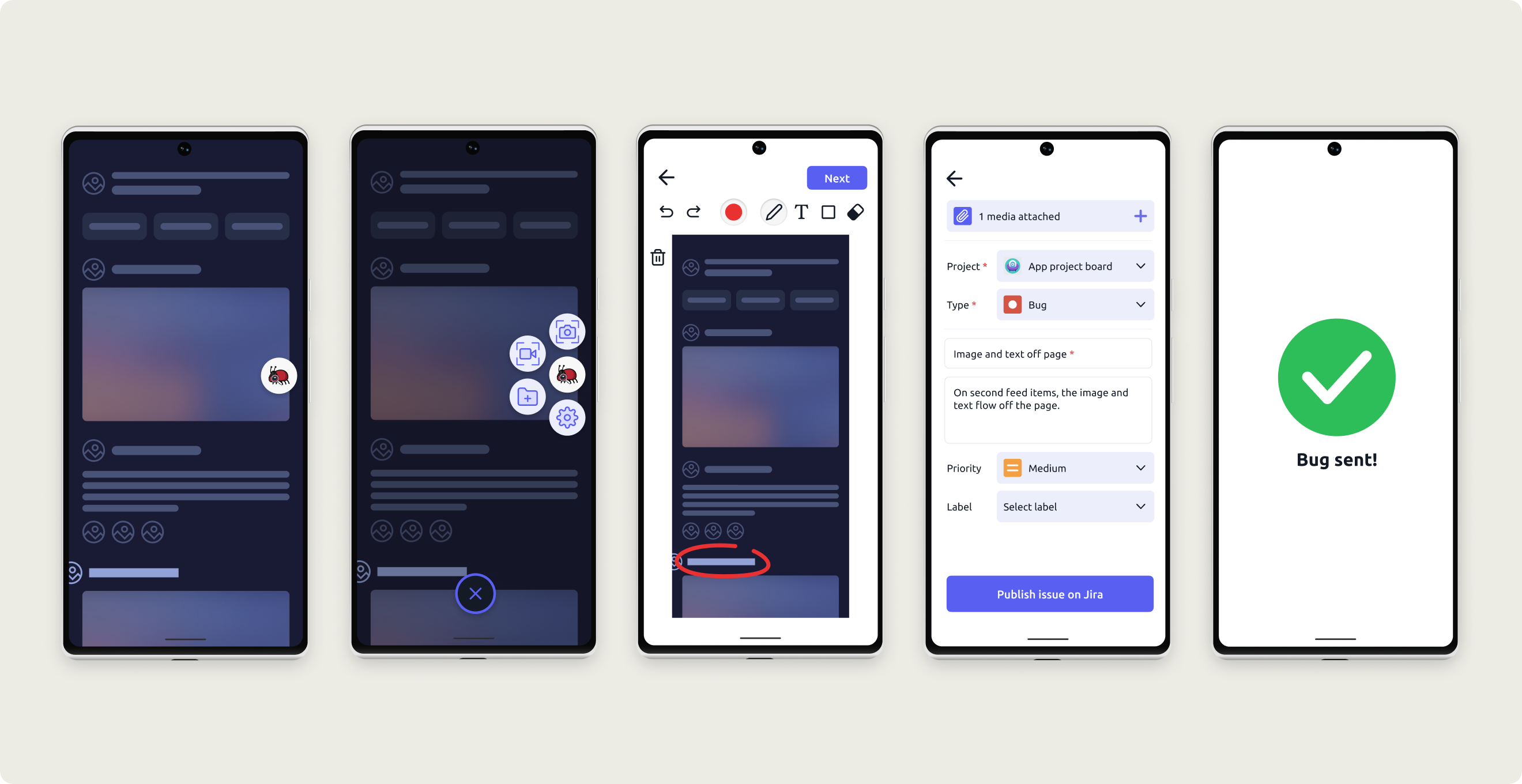
Below are a few examples of fixes done to the Android App.
Results
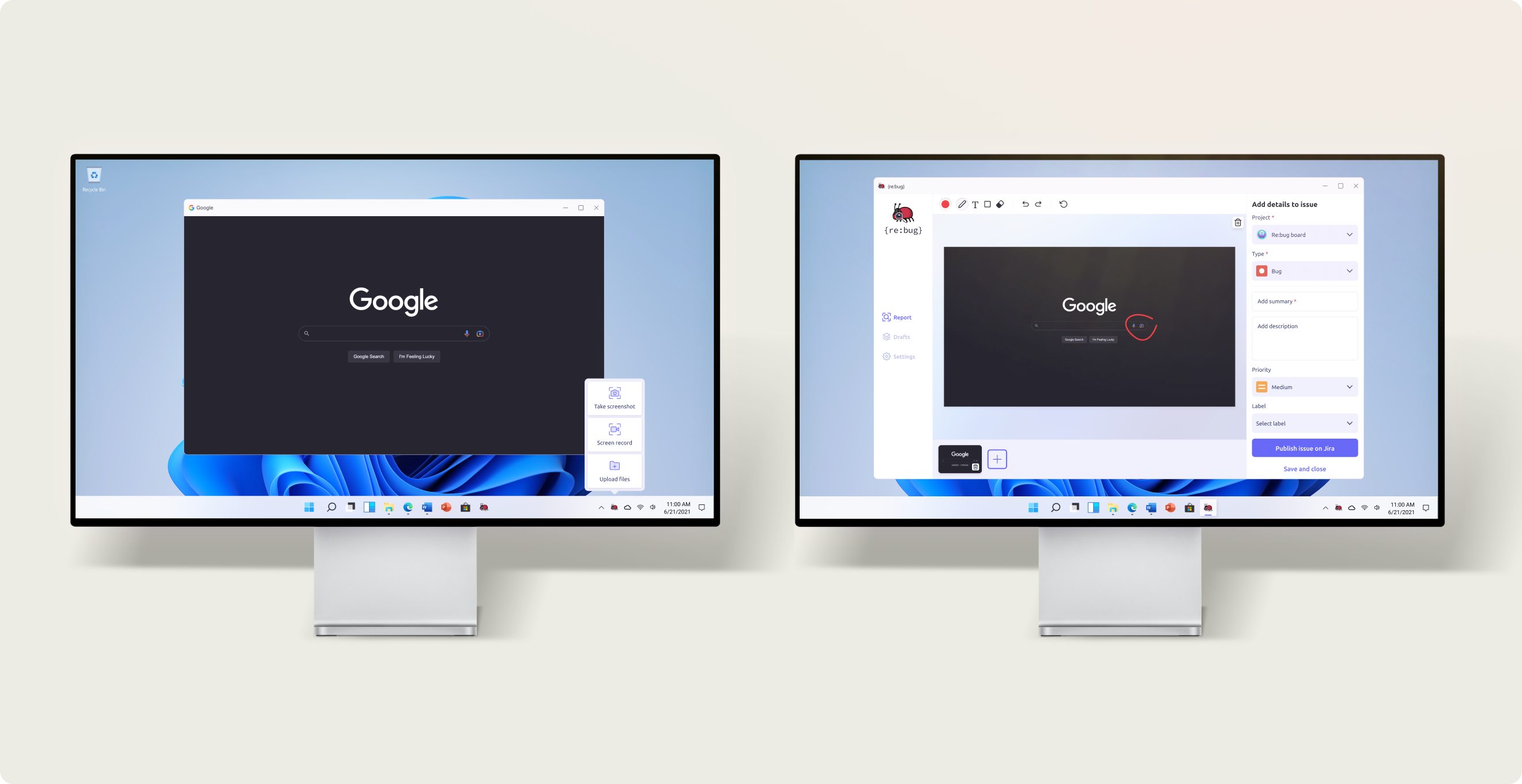
The updated product introduced new reporting flows while streamlining existing ones. Bug reports now fed directly into the Jira backlog, using familiar patterns from the core Jira experience to enable faster and more consistent issue reporting.